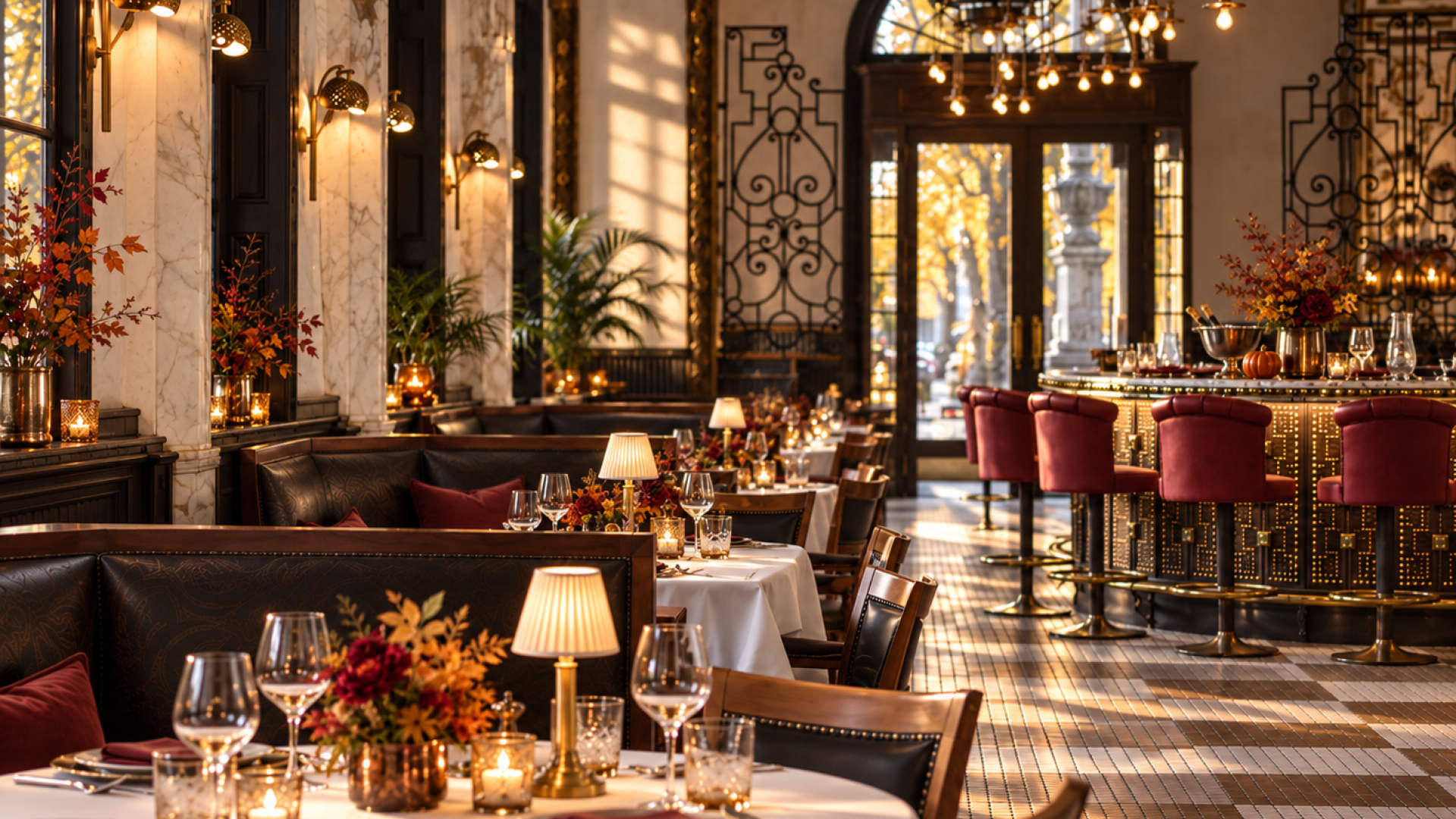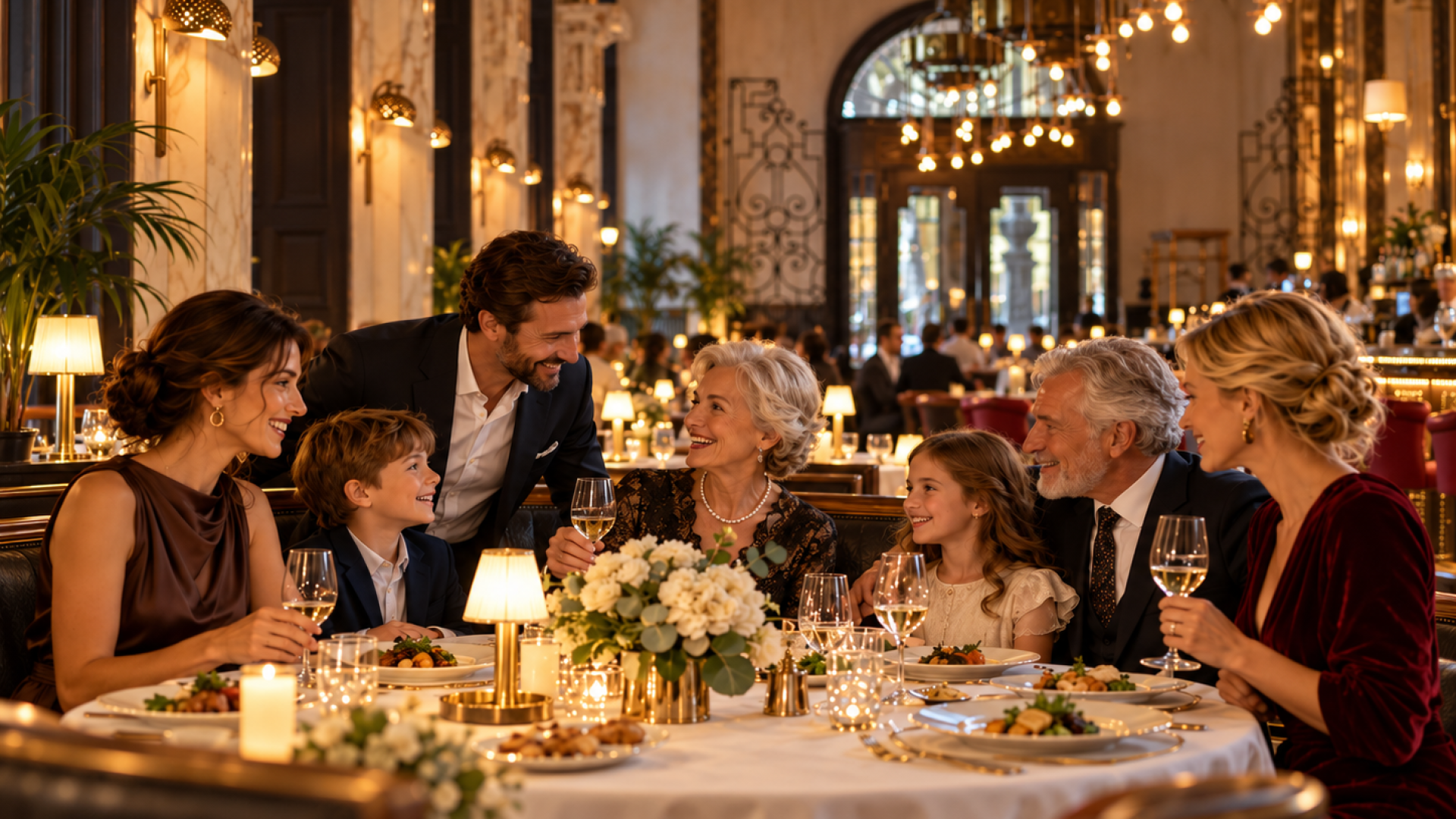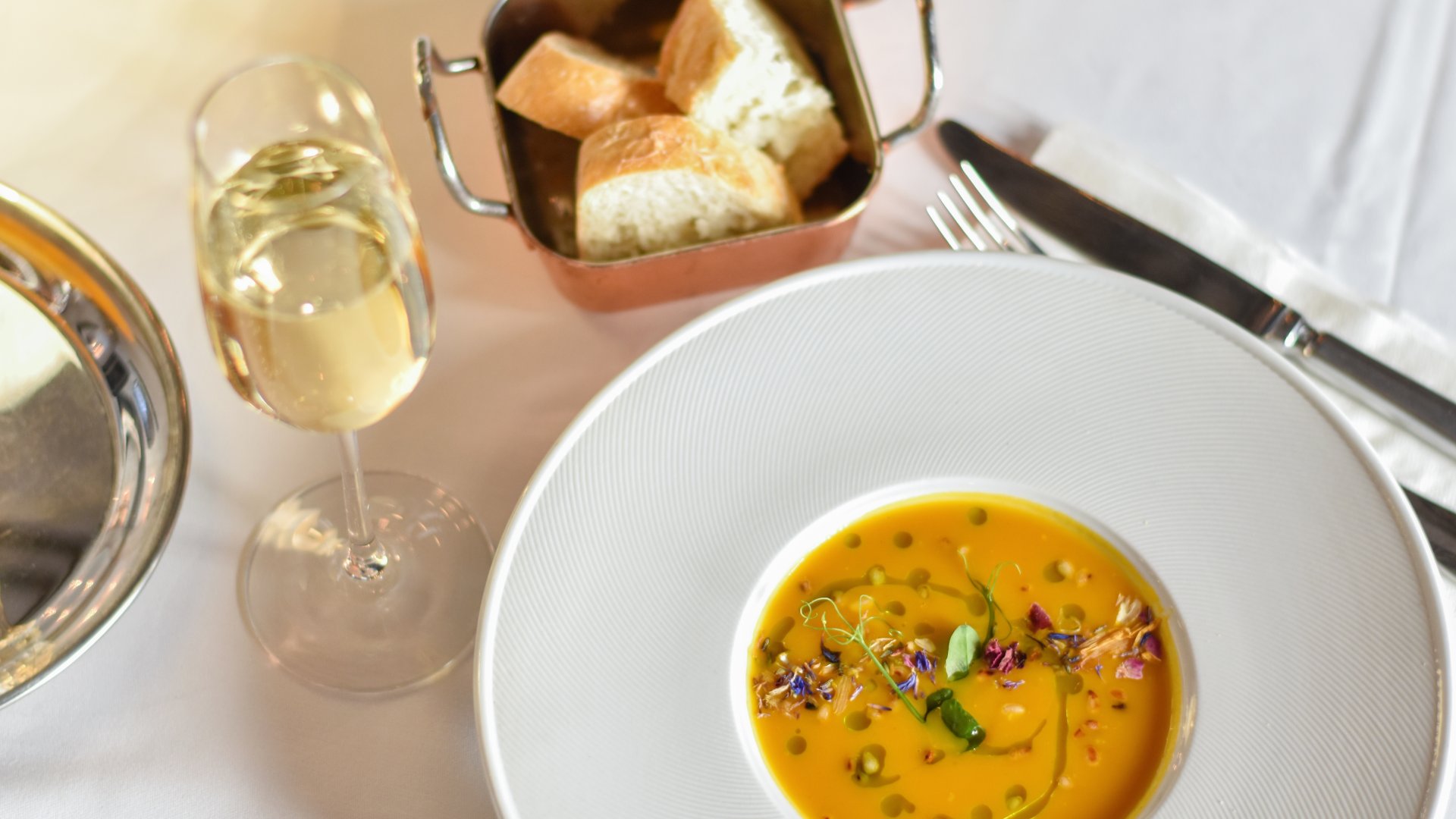
Running a restaurant inside a heritage building is both a privilege and a responsibility. Guests dining at the Callas Café & Restaurant are not only enjoying a meal but entering a historic setting that preserves the spirit of Budapest’s cultural golden age. Standing beside the Hungarian State Opera House, the building itself is part of the city’s architectural heritage — and the Callas has, over the years, become an integral part of this story.
Why is a restaurant in a heritage building so special? – Stories from Callas
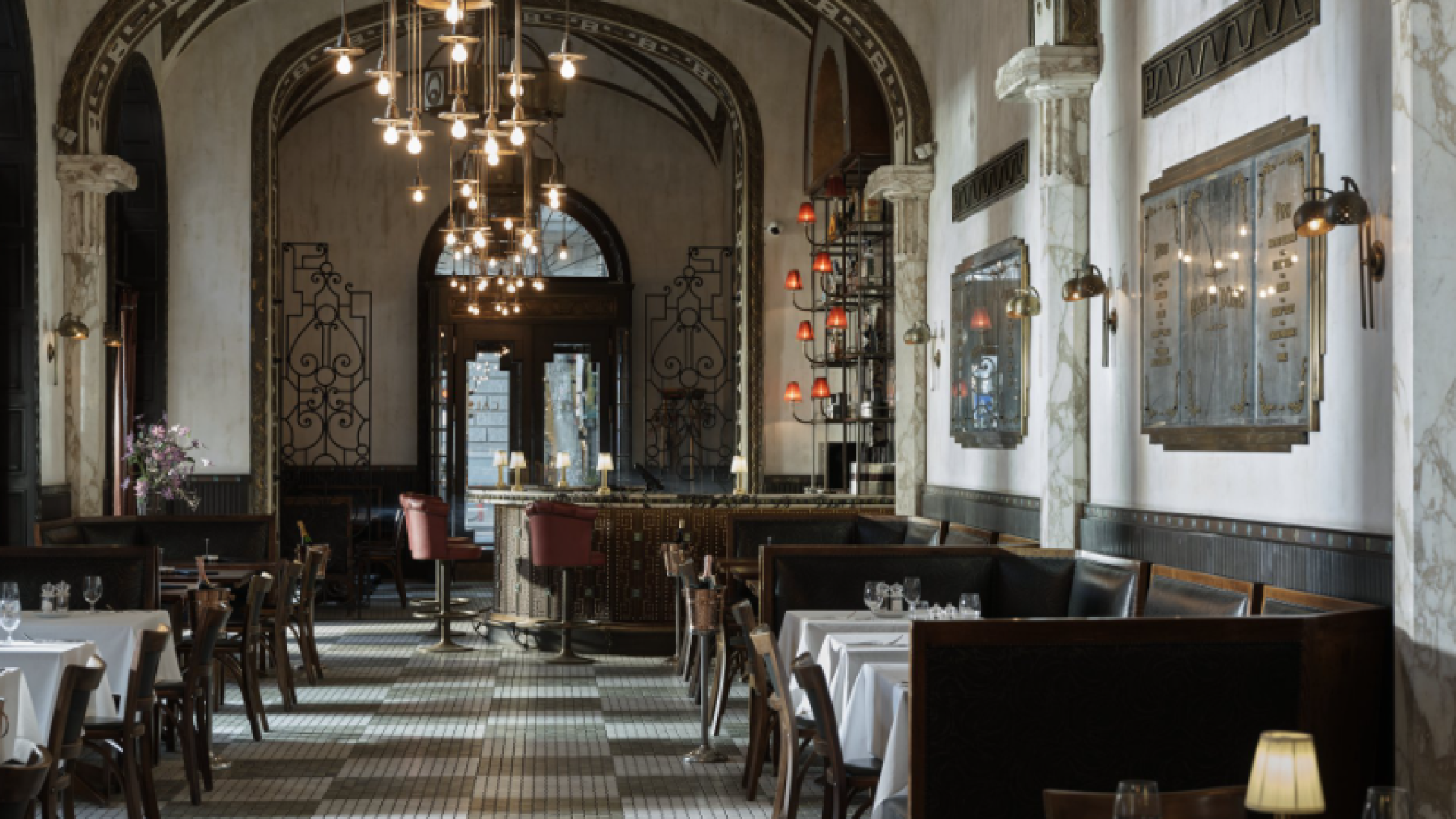
The building that now houses Callas Café was originally designed to complement the newly opened Opera House at the end of the 19th century. City planners intended the entire area to form a cultural district, where theatre-goers could meet, dine and socialise. Throughout the decades, various cafés and salons operated in this very spot, each contributing to the neighbourhood’s artistic atmosphere.One fascinating detail: during the restoration, craftsmen had to preserve original architectural features that no longer exist anywhere else in Budapest. Some ceiling ornaments, for example, were recreated using historical drawings because only fragments remained. The façade and many interior proportions mirror the Opera House intentionally — creating an aesthetic dialogue between the two buildings.
The origin of the Callas art deco interior – and the truth behind it
Although many guests assume the Callas has always looked the way it does today, the current interior is the result of a carefully crafted design concept inspired by early 20th-century European cafés. The geometric patterns, subdued gold elements and elegant blue tones evoke the spirit of the 1920s–30s, while several details reinterpret the building’s older historicist motifs.The space was designed as a “stage” — a nod to its neighbour, the Opera House. Whether sunlight fills the room during lunch or warm lighting surrounds diners at night, the interior always frames the experience like a theatrical scene. This deliberate relationship between architecture and atmosphere is one of the Callas Café’s most unique qualities.
How does Callas preserve the heritage character? – Hidden rules and unknown facts
Most visitors don’t realise how many heritage protection guidelines shape the restaurant’s everyday operation:1. The façade cannot be altered without official permission. Even replacing a single light fixture requires heritage approval.
2. Several interior surfaces undergo regular restoration. This is why the space looks consistently pristine — experts maintain it continuously.
3. Furniture must harmonise with the building’s proportions. The shape of the chairs, for instance, follows the rhythm of the historic wall arches.
4. The overall ambiance must respect the building’s past. The Callas cannot become overly modern or nostalgic — its identity lies in balance.
Why is Callas visually iconic? – And why do foreigners talk about it?
The façade of the Callas Café is one of the most photographed sights on Andrássy Avenue. The pairing of the Opera House and the restaurant creates a quintessential “European postcard” composition. Opera-goers often stop to take photos before entering, and many tourists say the building itself was one of the reasons they stepped inside.International film crews have also used the Callas exterior as a location, thanks to its authentic old-European atmosphere. The restaurant thus functions not only as a culinary destination but as a cultural and visual landmark in Budapest.